距离上一届学霸杯已经过去三年。三年并不算一个宏大的时间单位,却足够一个人更换生活的重心、情感的对象,以及对“比赛”这件事的理解。
这三年里,最高谈了新的恋爱,也离开上海两年,从高速运转的魔都暂时撤退到湖南。关系在变化,身份在游移,胜负暂时失效。直到这一次,因为第八届水泥公园艺术节,他再次回到上海。
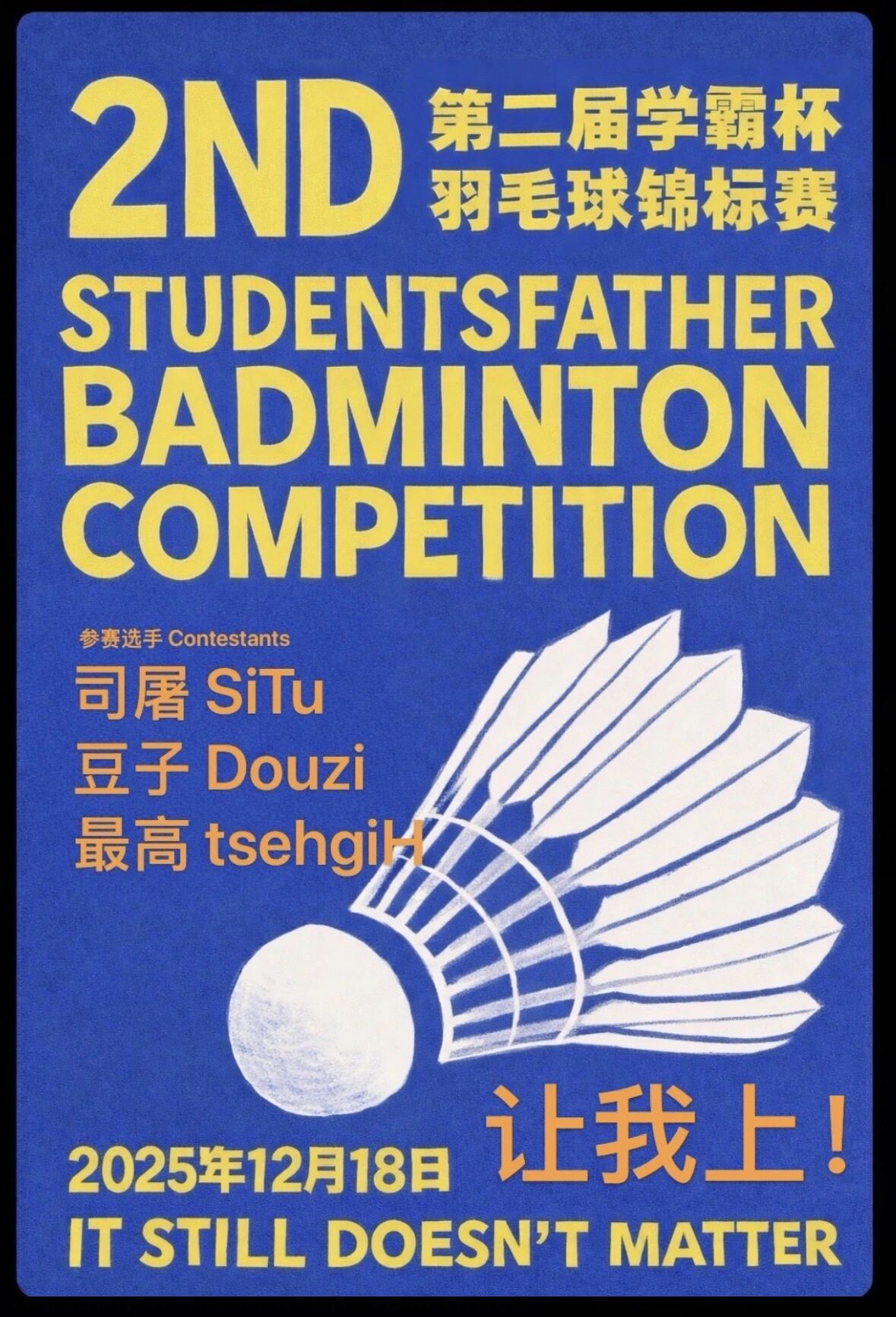
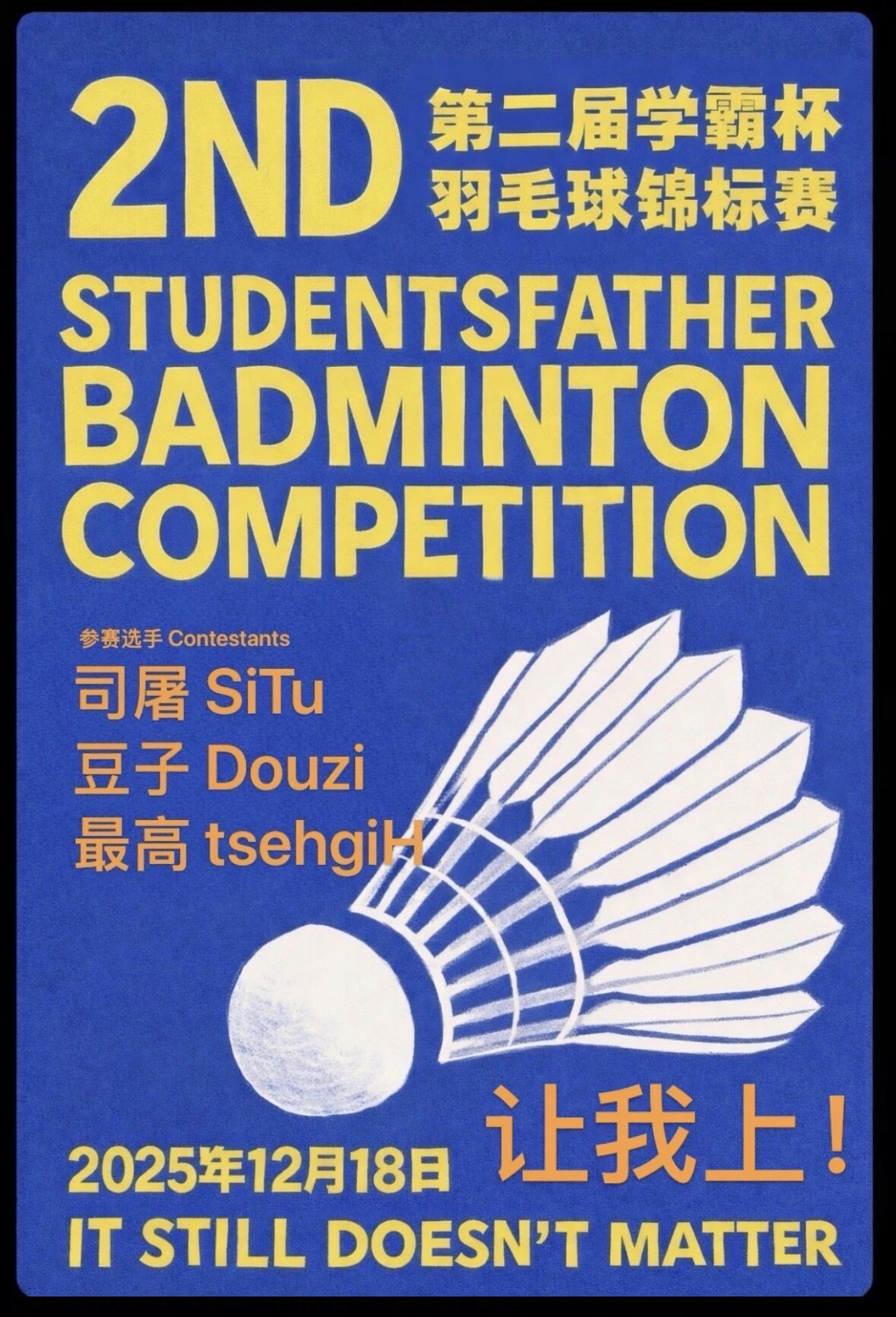
学霸杯正是在这样的背景下被重新启动的。它不是续集,也不是纪念,而是一种重新集结:当生活已经把人打散,我们是否还愿意,为一件并不功利、却需要认真对待的事情站在一起。
如果说第一届学霸杯是一次对社会竞争的告别:“我不一定要赢”;那么第二届更像一次回访:当你已经知道可以不赢,你还愿不愿意上场。
在最高 tsehgiH 的创作逻辑里,名字、编号、名次从来不是稳定的身份,而是随时可以被翻转、倒写、重排的符号。比赛亦然。输赢依旧存在,但意义不再固定。
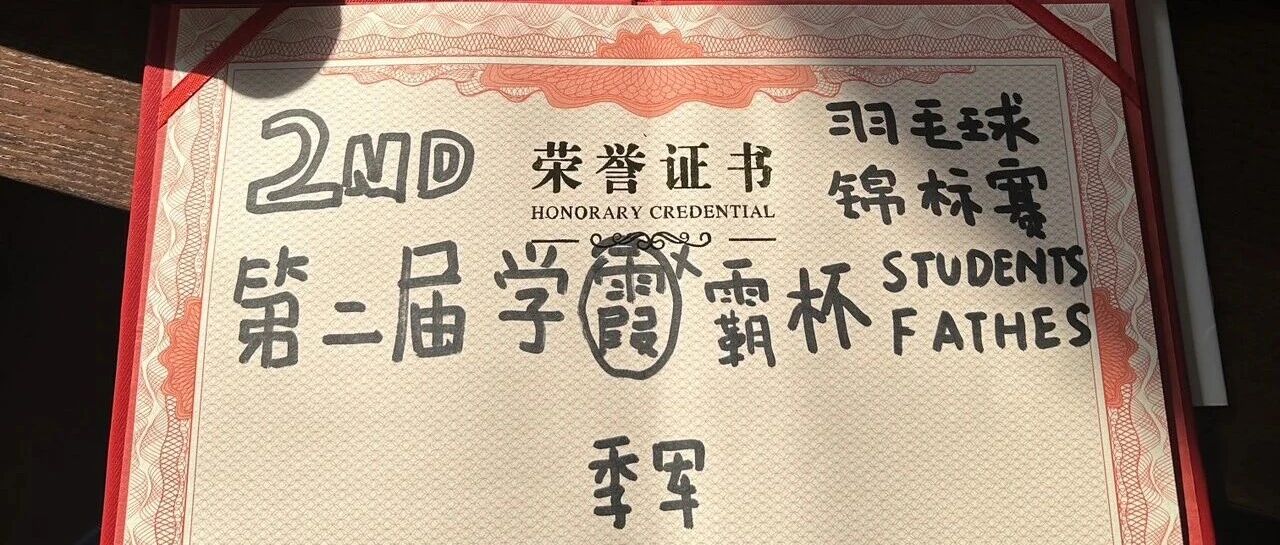
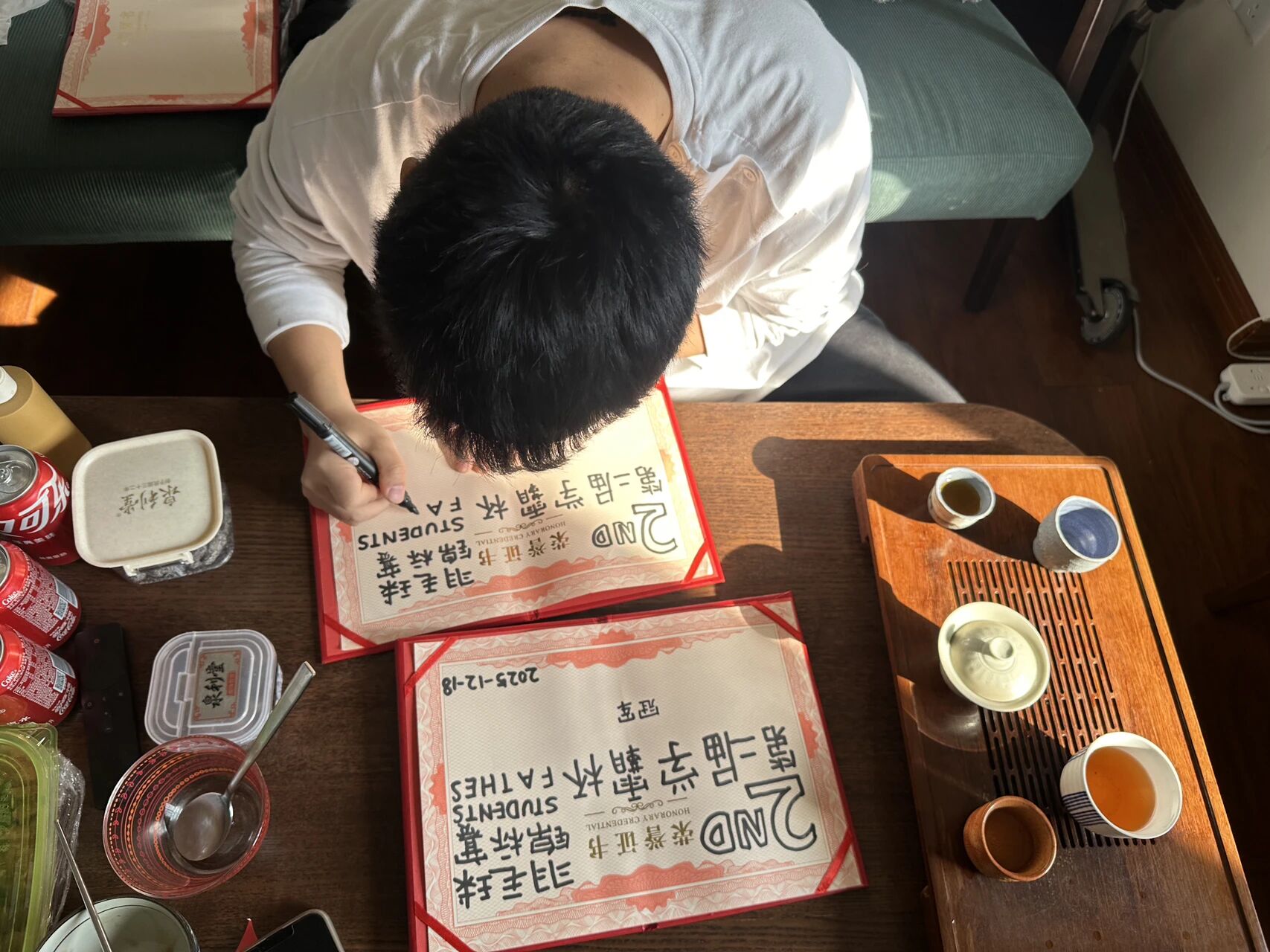
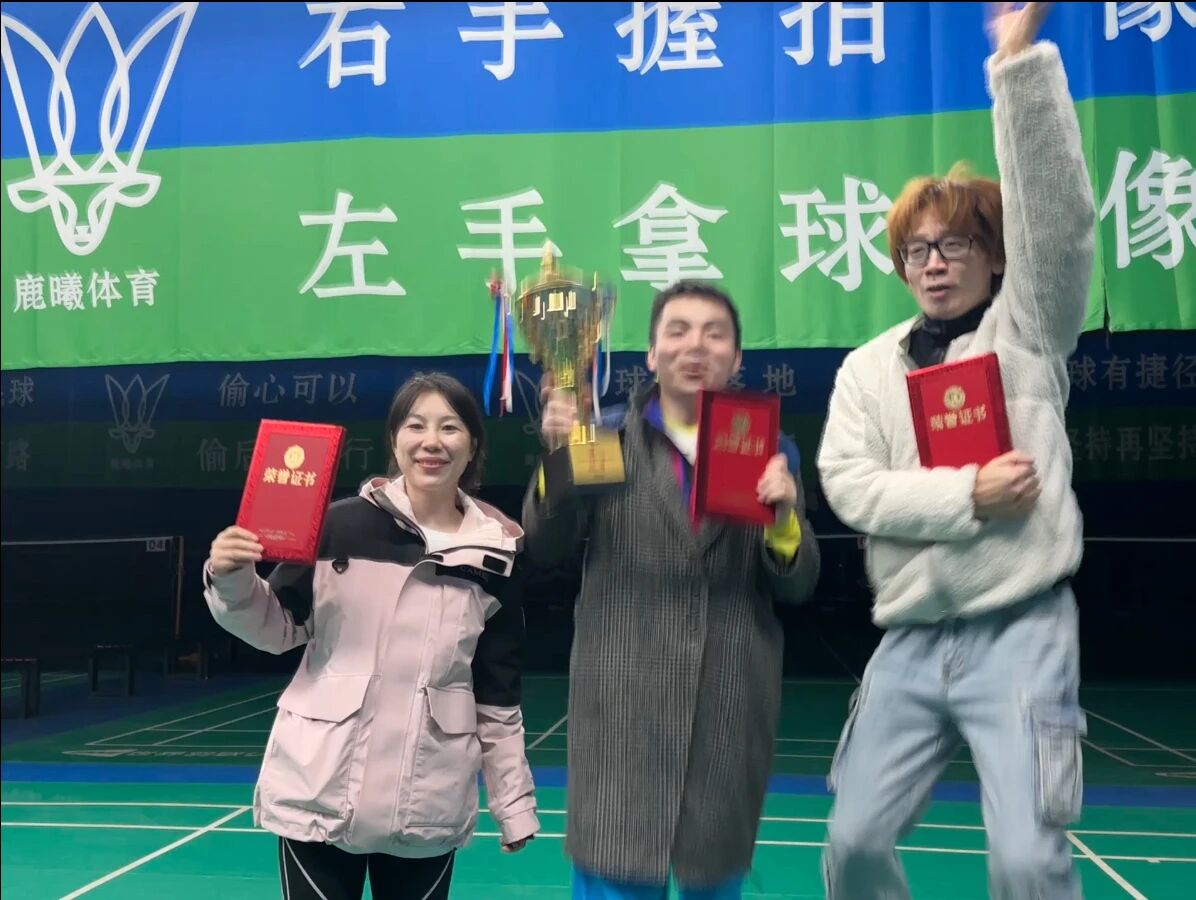
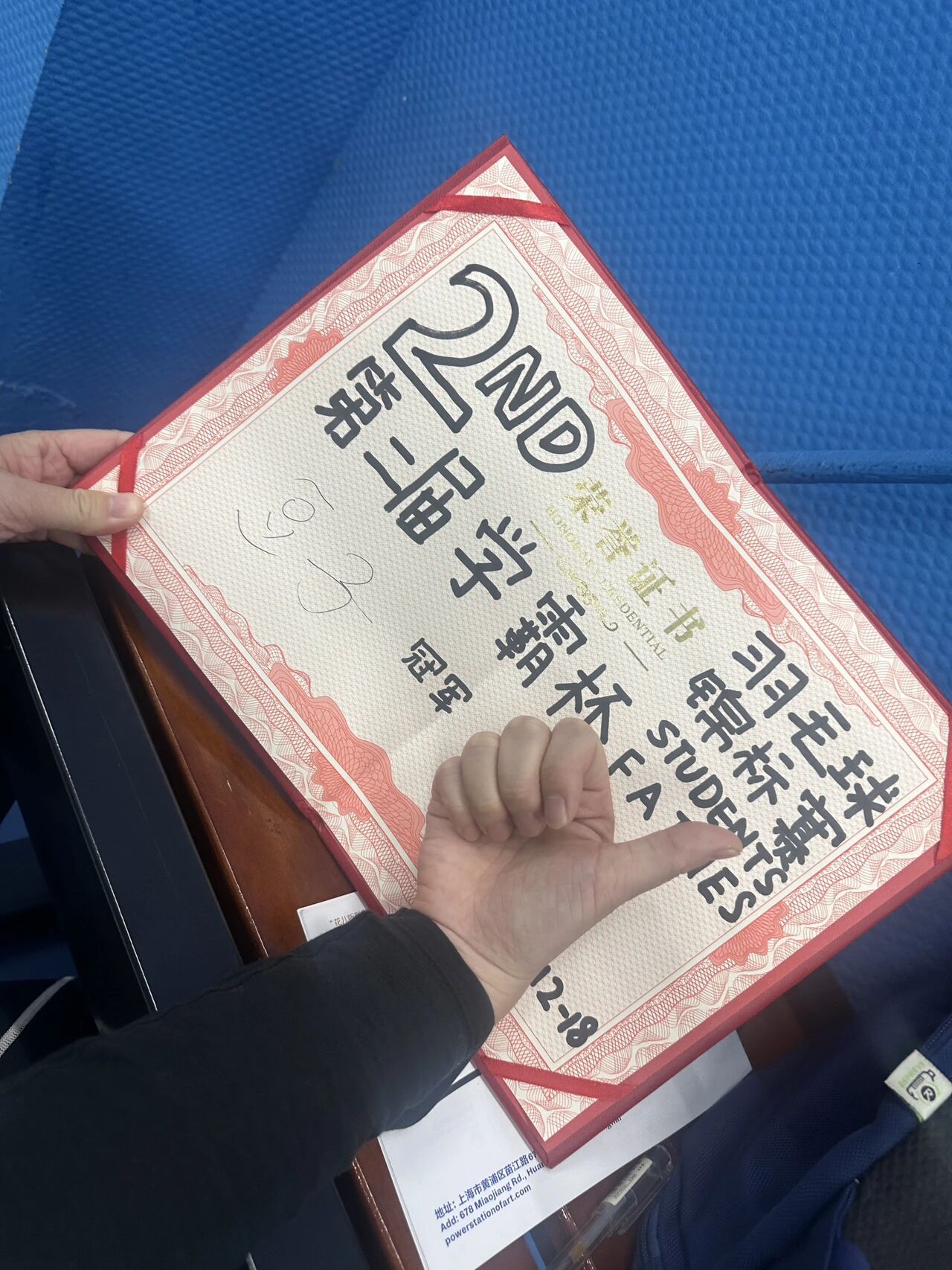
三位选手继续遵循“一个也不能少”的原则:不淘汰、不缺席、不因结果被排除在叙事之外。每一位选手都会得到荣誉证书与奖状,名次会被宣布,但不会成为评价彼此的最终标准。
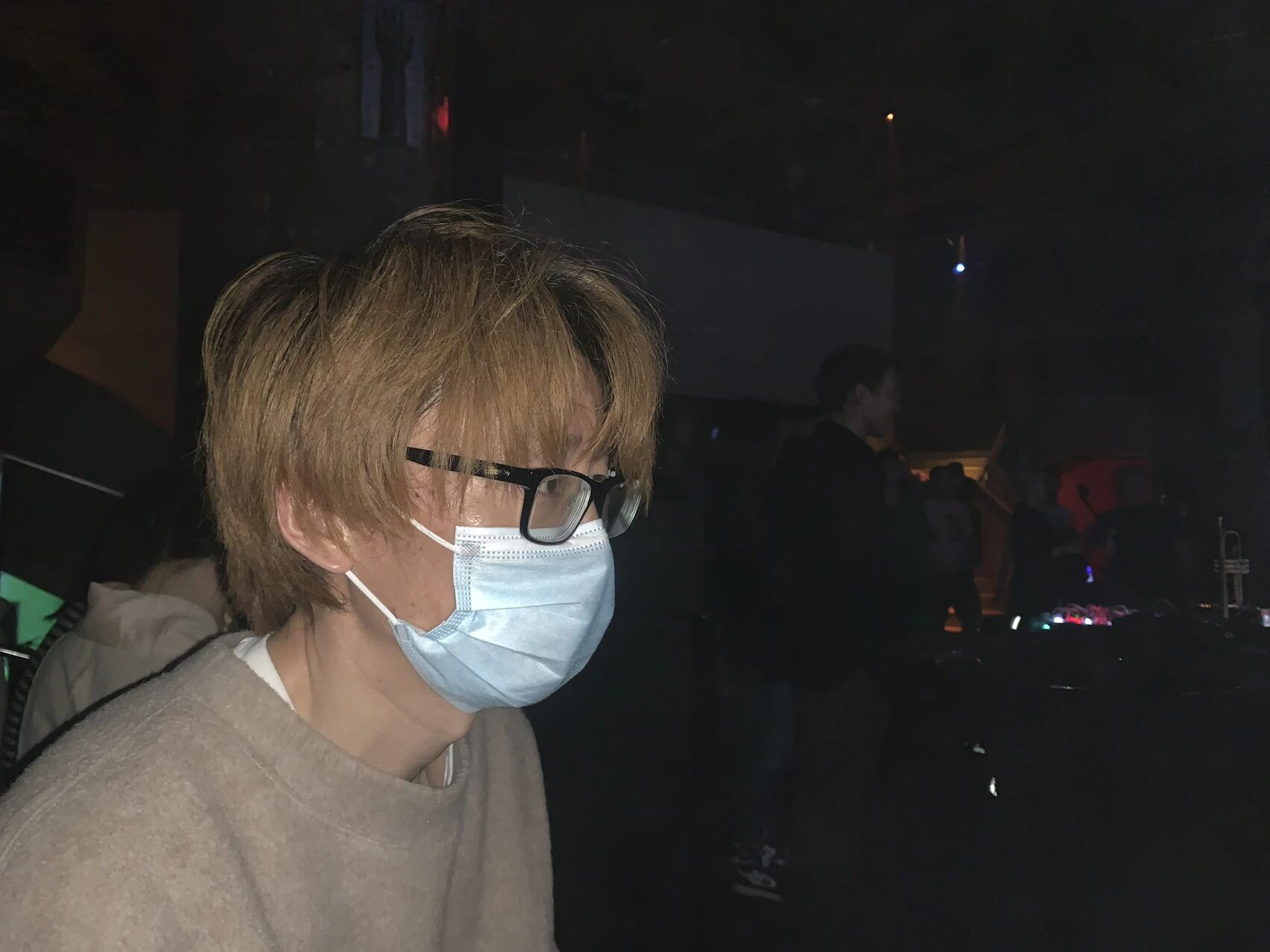
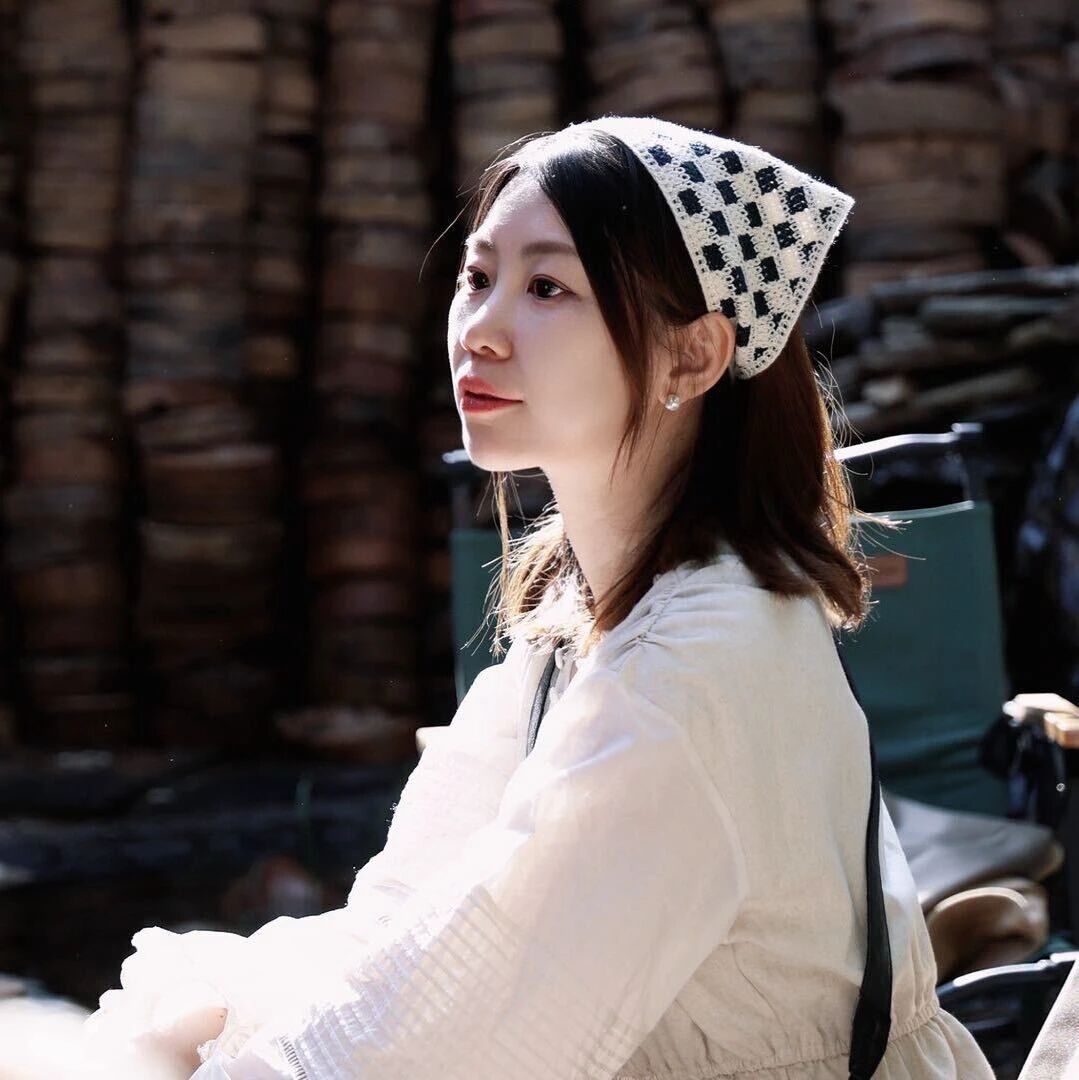
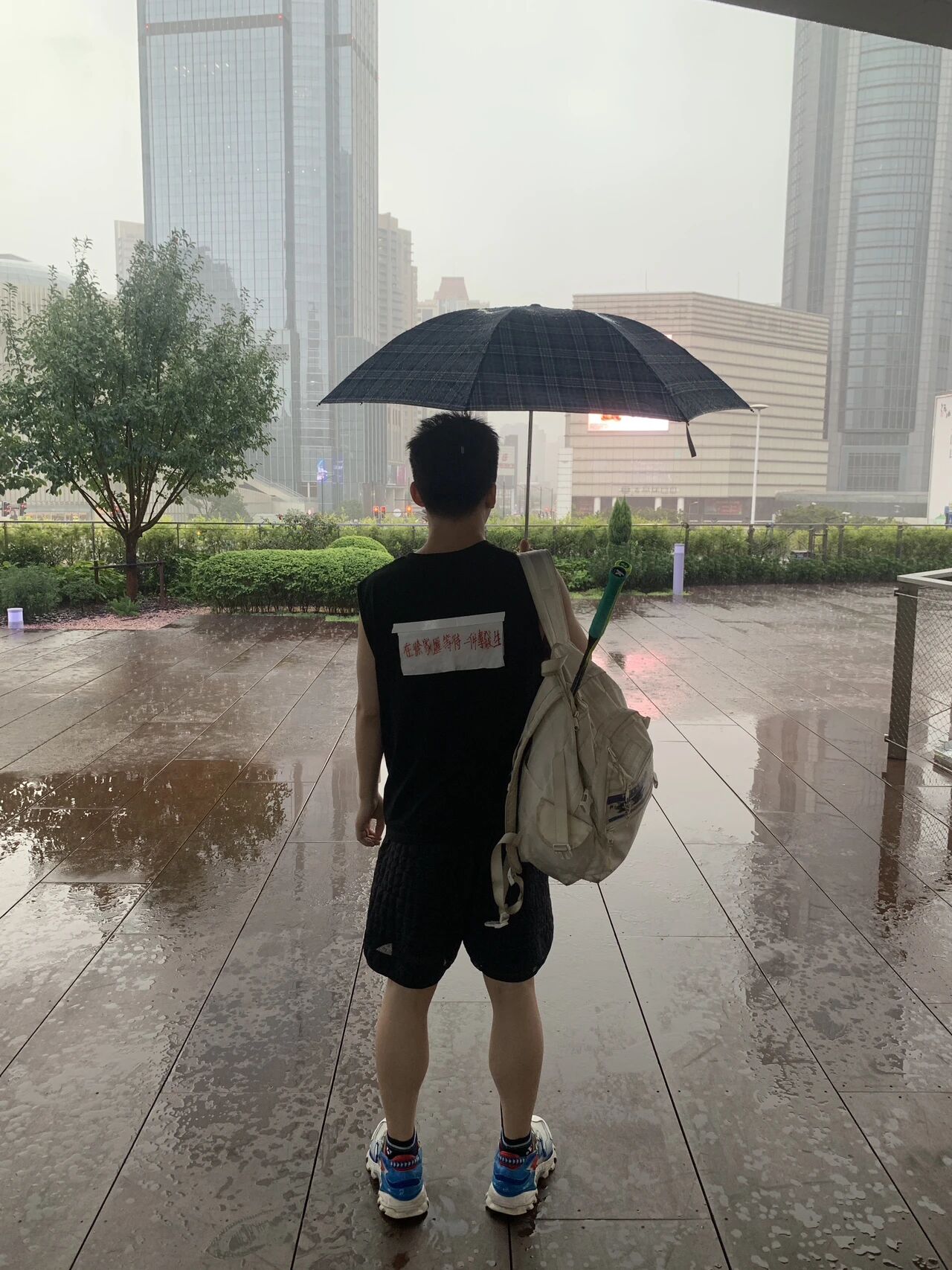
马克斯·韦伯曾指出,现代社会的理性化会不断压缩游戏的空间。人一旦离开校园,几乎就再也没有机会在不承担现实后果的情况下参与一场比赛。学霸杯选择在这个缝隙中行动:不制造价值,不服务目标,只认真完成一次比赛本身。
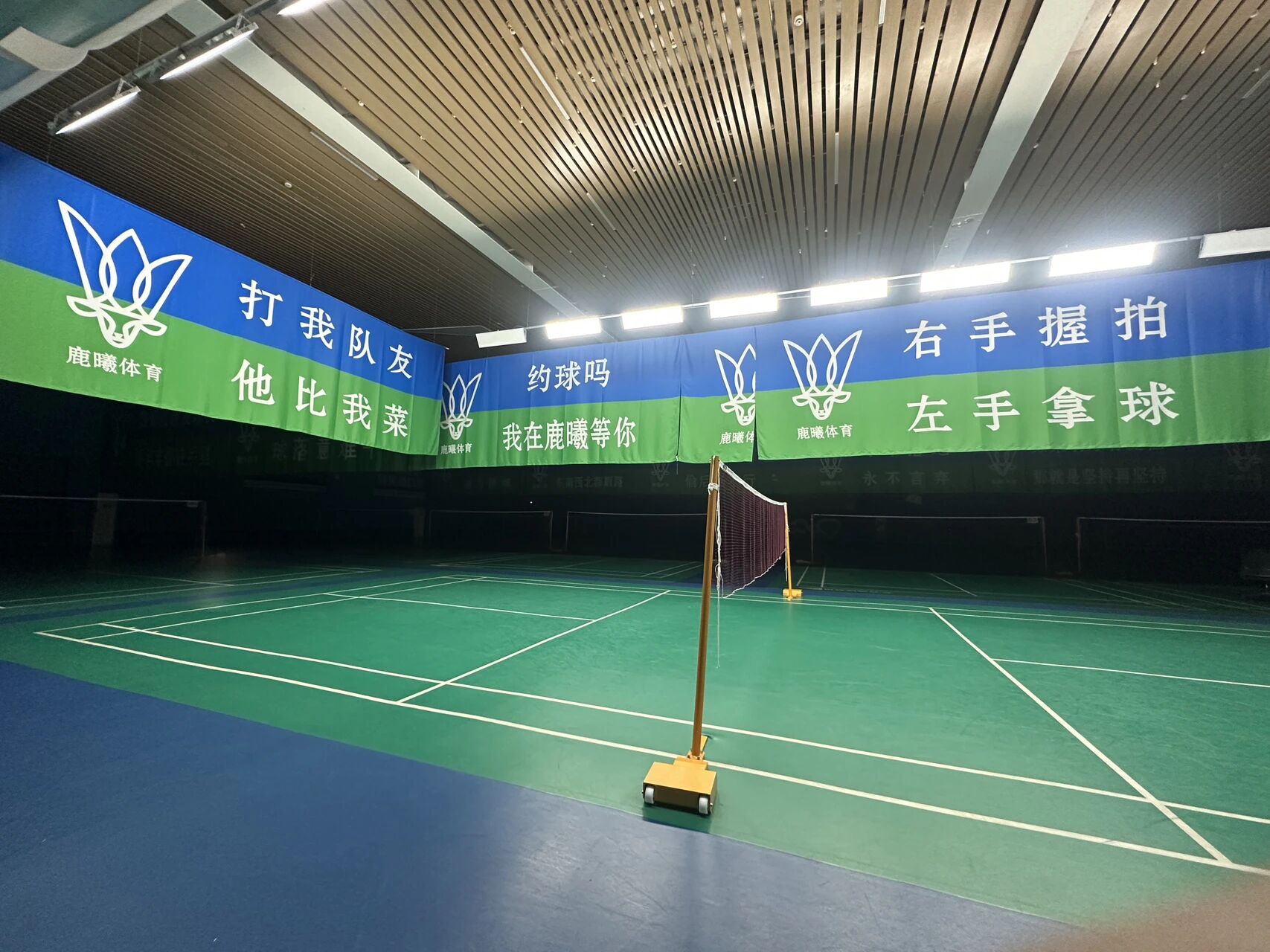
这是一次非常认真的举办。认真地对待规则、场地与每一次挥拍;但不认真对待输赢,不急于总结意义。在水泥公园艺术节来临之前,我们先在球场集合。不在展厅,不在话语中,而在身体仍然记得如何参与的地方。
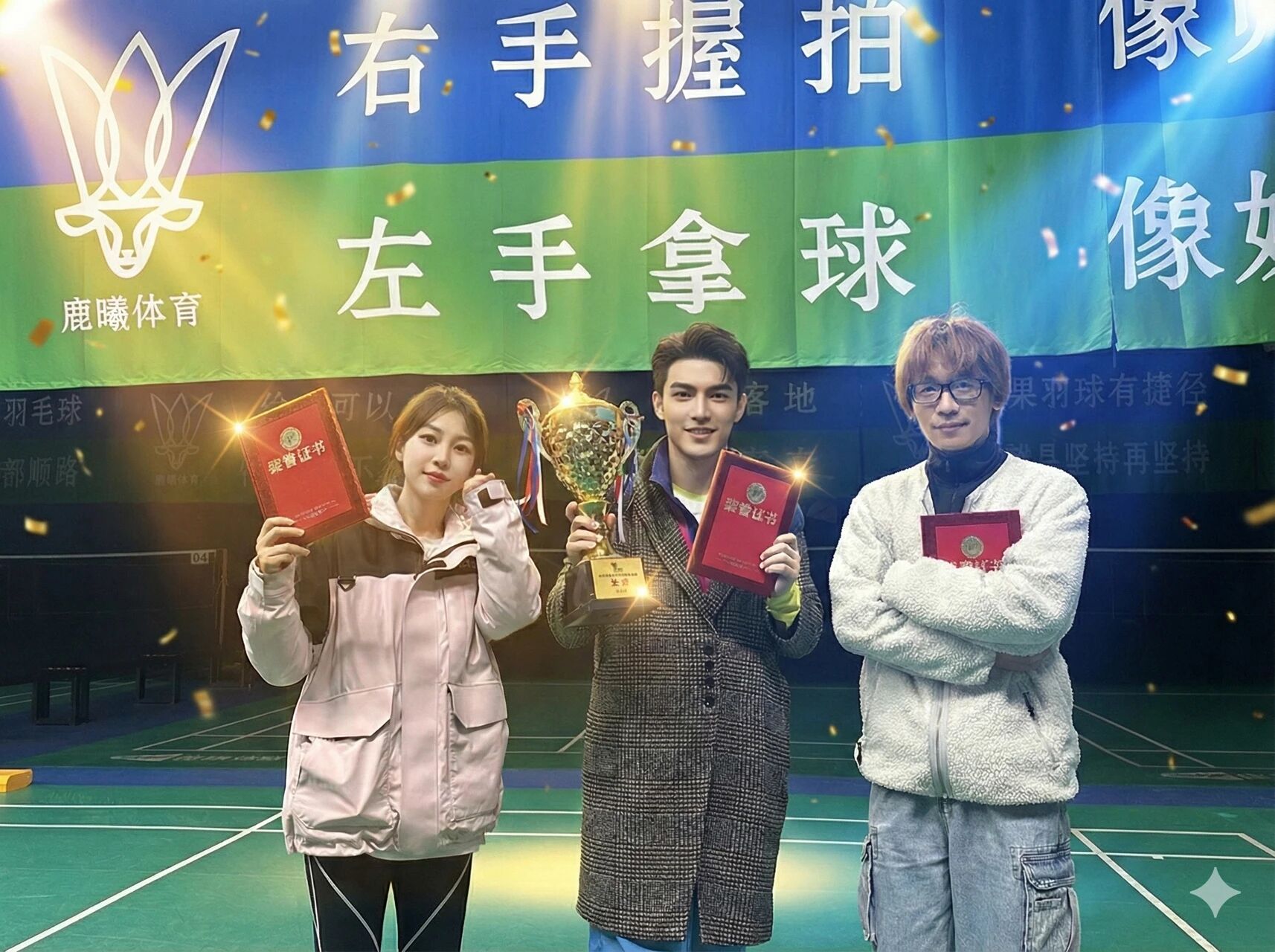
比赛成绩
冠军司屠,获得 99 元奖金。获奖感言:“冠军应该是豆子。”
亚军最高,获得 66 元奖金。获奖感言:“冠军应该是我!”
季军豆子,获得 33 元奖金。获奖感言:“无。”
开支明细与赞助
总赞助费 250 元,其中场地费 52 元,奖金 198 元。特别鸣谢:刘按小说赞助 210 元,豆子生活馆赞助 20 元,羽毛的球赞助 20 元。
第二届学霸杯就这样结束了。打羽毛球真的很开心,把朋友们组织起来、聚在一起的感觉也很好。见到司屠很好,见到豆子很好,很认真地为大家制作奖状很好,借球馆的奖杯拍照很好,得到朋友的赞助很好,获奖了也很好。
也有一些事情没那么好:朋友们再次见到最高,发现他变胖了、丑了、老了;他也发现他们在变。但这些都没关系。不管现实生活里还有多少烦恼,都无所谓,他会创造一个属于最高的世界。
Three years after the first SFBC, the Studentsfather Badminton Competition returned in Shanghai. Three years is not a grand unit of time, but it is long enough for a person to change the center of life, the object of love, and the meaning of a game.
Highest had left Shanghai for two years and temporarily retreated to Hunan. Relationships shifted, identity drifted, and victory lost its old certainty. The eighth CEMENT PARK Art Festival brought him back to Shanghai, and the badminton court became the place to gather again.
The second SFBC was not a sequel or a memorial. It was a regrouping: after life scatters people, are we still willing to stand together for something useless, serious, and joyful?
If the first SFBC was a farewell to social competition under the motto “Winning isn’t mandatory,” the second became a return visit: once you already know you do not have to win, are you still willing to step onto the court?
In Highest tsehgiH’s practice, names, numbers and rankings are never stable identities. They can be reversed, rewritten and rearranged. Competition works the same way. Winning and losing still exist, but their meanings are no longer fixed.
SiTu, Douzi and Highest tsehgiH followed the “no one left behind” principle. No one is eliminated, absent, or excluded from the narrative by the result. Rankings are announced, but they are not the final standard for judging one another.
Players
SiTu
Douzi
Highest tsehgiH
The tournament chooses a gap left by modern rationalized life: after campus, most people rarely get to enter a game without bearing serious consequences. SFBC produces no value and serves no target. It simply takes the game itself seriously.
Results
Champion: SiTu, 99 RMB prize. Acceptance speech: “The champion should have been Douzi.”
Runner-up: Highest, 66 RMB prize. Acceptance speech: “The champion should have been me!”
Third place: Douzi, 33 RMB prize. Acceptance speech: “None.”
The project received 250 RMB in sponsorship: 52 RMB for the court and 198 RMB for prizes. Special thanks to Liu An Fiction, Douzi Living Room and Feather Ball.
The second SFBC ended with exhaustion, prizes, certificates, photographs and a feeling of gathering. Reality still has its troubles; Highest will keep making a world that belongs to Highest.
Original records: announcement · results